
How Families Can Support CKLA at Home
- SMART Academy
- Dec 15, 2025
- 6 min read
At SMART Academy, we know that learning doesn't stop when the school bell rings. The partnership between home and school is crucial for your child's literacy success, especially with our Amplify CKLA curriculum. While we're working hard in the classroom to build your scholar's reading skills and knowledge base, there are meaningful ways you can support their learning journey at home.
The beautiful thing about CKLA is that it's designed to create natural opportunities for family engagement. The curriculum builds knowledge about the world while teaching reading skills, giving you and your child plenty to talk about together. Let's explore some simple, practical ways you can reinforce what your scholar is learning and help them become an even stronger reader and thinker.
Start with Stories: The Knowledge Strand Connection
One of the most powerful ways to support your child's CKLA learning is to engage with the Knowledge Strand content they're exploring in class. Throughout the year, your scholar is diving deep into fascinating topics like ancient civilizations, the human body, astronomy, and classic literature. These aren't just random subjects: they're carefully chosen to build the background knowledge that makes future reading easier and more meaningful.
Ask your child to retell the stories and information they've learned during Knowledge Strand time. You might hear about Egyptian pyramids one week and Native American legends the next. Don't worry if you don't remember everything from your own school days: this is a learning opportunity for the whole family! When your child explains what they've learned about medieval times or the solar system, they're practicing important skills like summarizing, organizing information, and using new vocabulary words.

Make it fun by asking follow-up questions: "What was the most surprising thing you learned today?" or "How do you think that connects to something we've seen in our own neighborhood?" These conversations help your scholar see connections between their school learning and the wider world, which is exactly what CKLA is designed to do.
The Power of Reading Aloud Together
Reading aloud isn't just for bedtime stories with little ones. Even if your child is becoming an independent reader, there's tremendous value in continuing to read together daily. Aim for at least 15-20 minutes of shared reading time, whether that's you reading to your child, your child reading to you, or taking turns with different pages or chapters.
When you read aloud to your child, you're exposing them to more complex sentence structures and vocabulary than they might encounter in books they can read independently. This builds their listening comprehension and gives them models of fluent, expressive reading. When they read to you, you're giving them practice with the decoding skills they're learning through CKLA's Skills Strand.
Don't stress if your child makes mistakes while reading aloud. CKLA teaches us that reading is a process, and errors are part of learning. Gently help them sound out tricky words, and celebrate their efforts to use the phonics strategies they're learning in school. If a book feels too challenging, it's perfectly fine to choose something easier or to share the reading responsibilities.
Practice Makes Progress: High-Frequency Words
Your child's teacher will likely send home lists of high-frequency words: those common words that appear again and again in texts. Words like "the," "said," "where," and "because" might not seem exciting, but they're the building blocks of fluent reading. When children can recognize these words instantly, without having to sound them out, their reading becomes smoother and their comprehension improves.
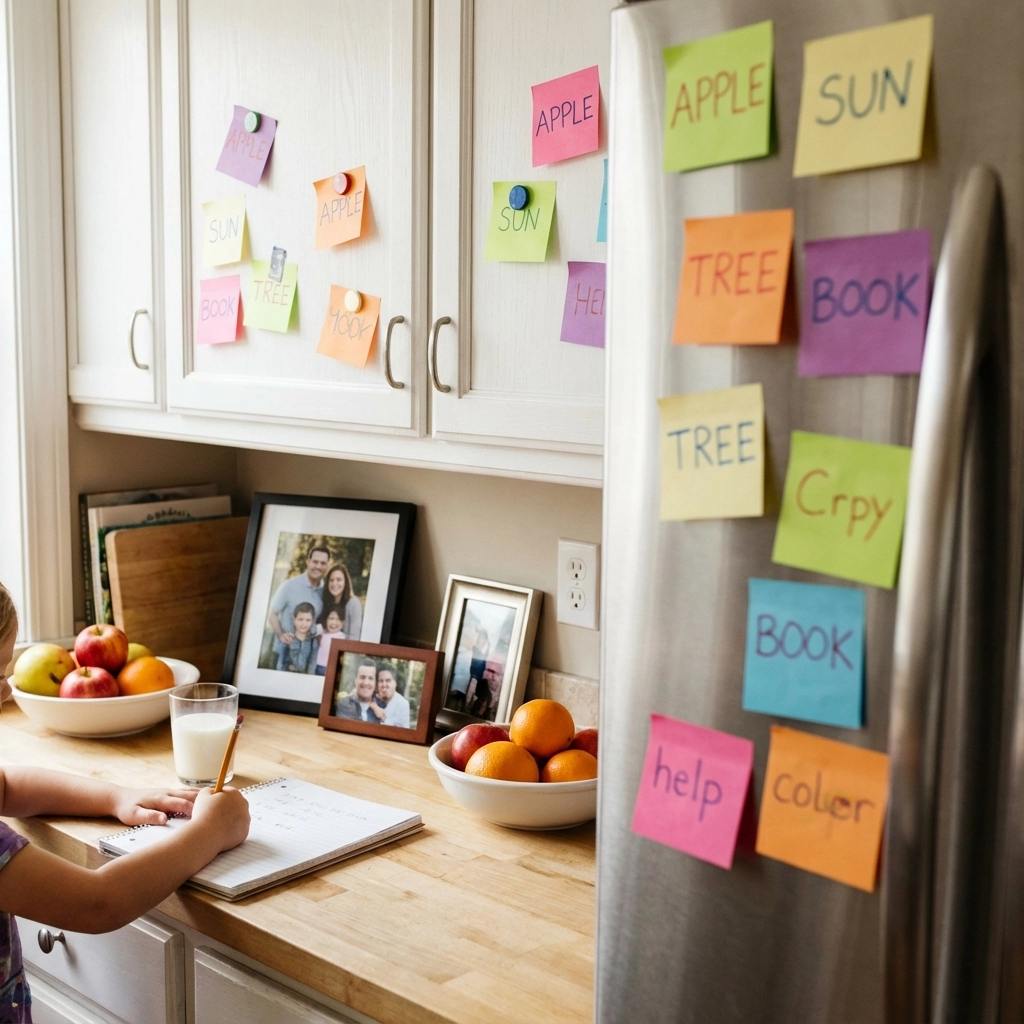
Make practicing these words part of your daily routine, but keep it light and fun. You might write them on sticky notes and post them around the house, practice them during car rides, or turn them into a quick game before dinner. The goal isn't to drill your child endlessly, but to give them frequent, brief opportunities to practice until these words become automatic.

Remember that different children learn at different paces. Some scholars will master their high-frequency words quickly, while others need more repetition. Follow your child's lead and keep the practice positive. If they're getting frustrated, take a break and try again later.
Writing Adventures at Home
CKLA integrates writing instruction throughout the curriculum, and you can support this learning by creating opportunities for writing at home. The key is to make writing feel purposeful and enjoyable, not like a chore.
Start simple. Encourage your child to help write the grocery list, create thank-you notes to relatives, or keep a family journal about weekend adventures. If your scholar enjoys storytelling, suggest they write their own version of a fairy tale or create a comic strip about their favorite Knowledge Strand topic.
Don't worry about perfect spelling or grammar in these informal writing activities. The goal is to help your child see writing as a useful, creative tool for communication. As they write more, they'll naturally begin applying the spelling patterns and writing skills they're learning in their CKLA lessons.
For reluctant writers, consider alternatives like dictating stories to you, creating illustrated books, or using technology tools that make writing feel more engaging. The important thing is that they're organizing their thoughts and expressing them in written form.
The Foundation of Success: Consistent Attendance
While this might seem obvious, regular school attendance is one of the most important ways to support your child's CKLA progress. The curriculum is carefully sequenced, with each lesson building on the previous one. When children miss school frequently, they miss crucial pieces of instruction that are difficult to make up later.
CKLA's Knowledge Strand is particularly cumulative. If your scholar misses the lessons about ancient Greece, for example, they might struggle to understand references to Greek mythology that appear in later texts. The phonics instruction in the Skills Strand also follows a specific sequence, introducing new concepts at just the right pace for developing readers.
Of course, illness happens and family emergencies arise. When your child does need to miss school, communicate with their teacher about what they missed and how you can support their learning at home during recovery.
Conversations: The Secret Ingredient
Here's perhaps the most important tip of all: talk with your child. A lot. About everything. The conversations you have at home are building the vocabulary and background knowledge that make CKLA: and all future learning: more successful.
When you're driving to school, ask about their friends, their favorite part of the day, or what they're looking forward to. When you're cooking dinner, explain what you're doing and why. When you're watching a nature documentary together, pause to discuss what you're seeing. When your child asks "why" questions, take them seriously and explore the answers together.
These everyday conversations are doing something profound: they're building your child's oral language skills, which are the foundation for reading comprehension. Children who come to school with rich vocabularies and lots of background knowledge have a significant advantage in understanding the texts they read.
Don't feel like every conversation needs to be educational. Casual chat about your day, silly jokes, and family stories all contribute to your child's language development. The goal is simply to create a home environment where talking, questioning, and exploring ideas together is a natural part of family life.
Making It Work for Your Family
Every family is different, and what works for one household might not work for another. Maybe you're more of a morning family, and reading together over breakfast works better than bedtime stories. Maybe your child responds better to educational apps than to paper-and-pencil activities. Maybe your family's strongest learning time is during long car rides or while doing chores together.
The key is to find authentic ways to weave literacy support into your existing family routines. You don't need to become a teacher or turn your home into a classroom. You just need to create opportunities for your child to practice their growing skills and to show them that reading, writing, and learning are valued parts of everyday life.
At SMART Academy, we're here to partner with you in your child's literacy journey. Don't hesitate to reach out to your child's teacher if you have questions about how to support their specific needs, or if you'd like suggestions for books, activities, or resources that might work well for your family.
Together, we're building not just stronger readers, but curious, confident learners who will carry these skills with them far beyond elementary school. Every conversation you have, every story you share, and every moment you spend supporting your scholar's learning is an investment in their bright future.