
7 Mistakes Parents Make When Choosing Elementary Schools in Cleveland (And How Literacy Programs Should Guide Your Decision)
- SMART Academy
- Dec 9, 2025
- 5 min read
Choosing the right elementary school for your child is one of the most important decisions you'll make as a parent. In Cleveland, you have options – and that's both exciting and overwhelming. With Ohio's new Science of Reading law taking effect, literacy education has never been more critical. Yet many parents still make common mistakes that can impact their child's academic foundation for years to come.
As families navigate school choice in Cleveland, literacy programs should be your North Star. Here are seven mistakes parents often make – and how focusing on literacy can guide you toward the best choice for your child.
Mistake 1: Choosing a School Based on Location Alone
The Problem: Many parents default to their neighborhood school or choose based purely on convenience and commute time.
Why Literacy Should Guide You: A short drive is nice, but a strong literacy foundation lasts a lifetime. Research shows that students who aren't reading proficiently by third grade are four times more likely to drop out of high school.
Instead of choosing the closest school, look for programs with proven literacy success. For example, schools with 4-star early literacy ratings demonstrate they're effectively implementing evidence-based reading instruction. Small schools often provide more individualized attention for struggling readers, ensuring no child falls through the cracks.
The Fix: Create a list of schools within a reasonable distance, then evaluate each based on their literacy programs, reading assessment scores, and individualized support systems.
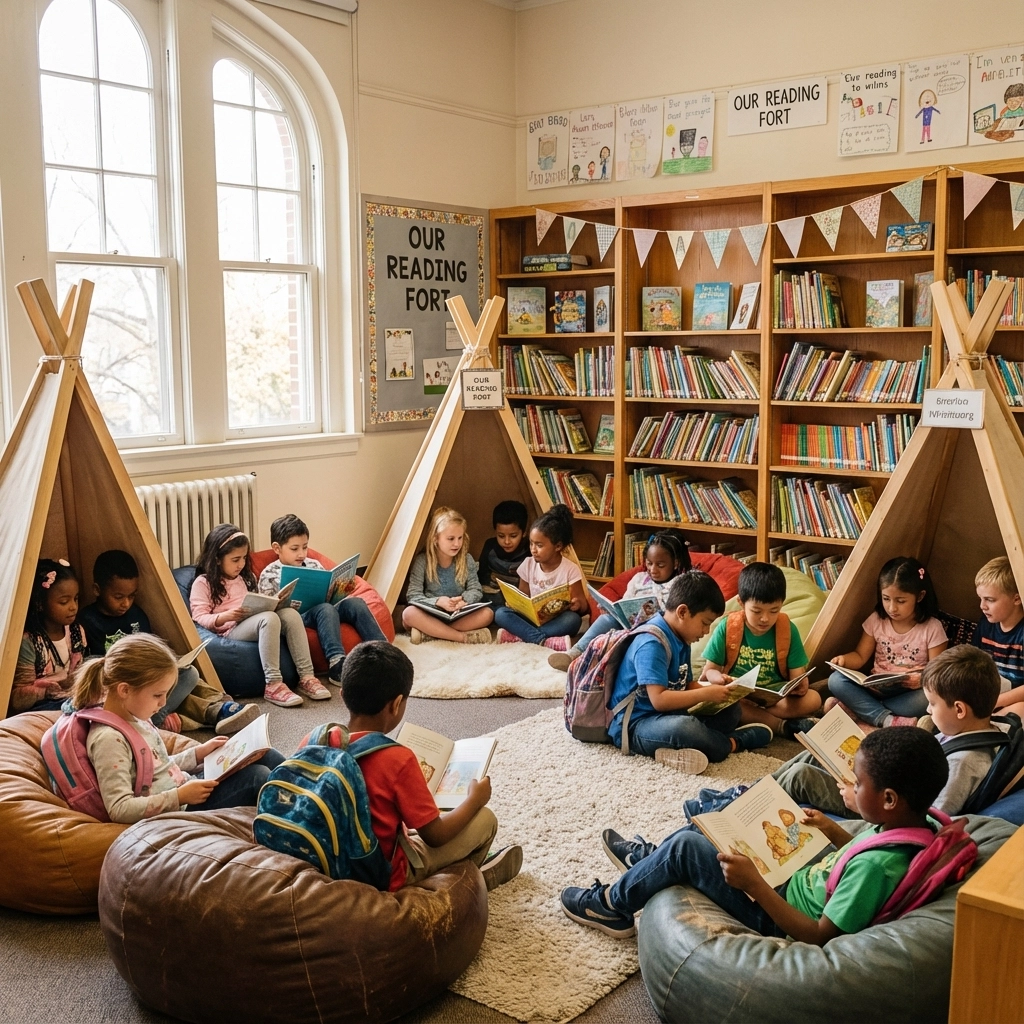
Mistake 2: Ignoring Literacy Credentials and Program Quality
The Problem: Parents focus on general test scores or reputation without digging into specific literacy program details.
Why This Matters: Ohio's Science of Reading requirements mean schools must use research-backed methods for teaching reading. But not all programs are created equal. Schools that have already embraced these methods – and have the ratings to prove it – are ahead of the curve.
What to Look For:
Evidence-based phonics instruction
Systematic approach to reading development
Regular literacy assessments and interventions
Teacher training in reading science
Clear literacy goals and progress tracking
The Fix: Ask schools directly about their literacy curriculum, teacher training programs, and how they support students who struggle with reading. Schools with strong literacy programs will be eager to share their approach and success stories.
Mistake 3: Assuming Bigger Schools Offer More Opportunities
The Problem: Some parents believe larger schools automatically provide more resources and opportunities.
Why Small Can Be Mighty: When it comes to literacy development, smaller schools often have significant advantages. Teachers can provide more individualized attention, identify reading challenges earlier, and build stronger relationships with families to support learning at home.
In smaller educational communities, teachers know each student personally and can tailor instruction to their specific needs. This personalized approach is especially crucial during the foundational K-5 years when reading skills are developing.
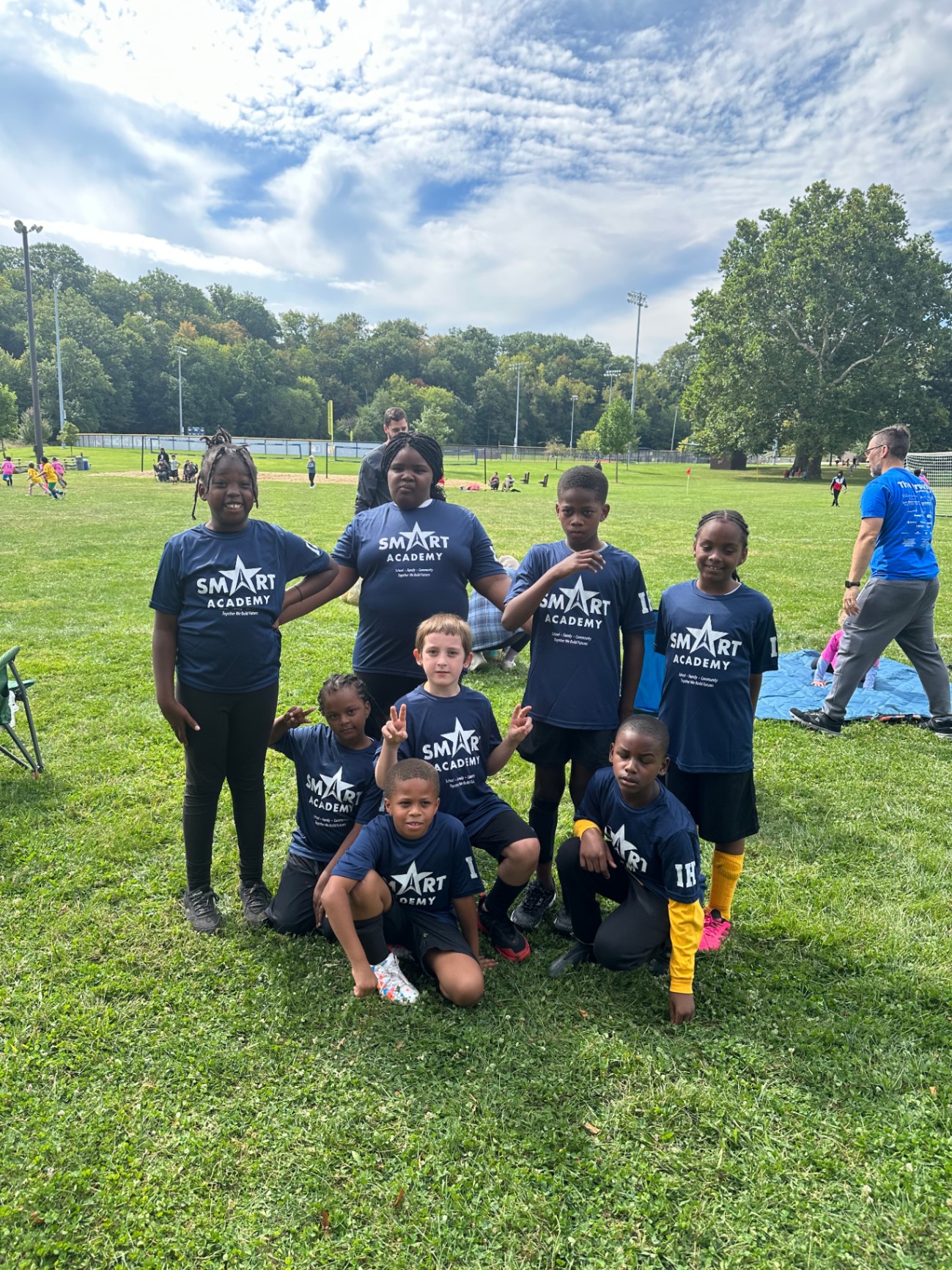
The Fix: Consider how school size impacts literacy instruction quality. Look for schools that maintain small class sizes and emphasize individual student growth over standardized metrics.
Mistake 4: Undervaluing Family-School Connections
The Problem: Parents don't consider how well the school connects with families or supports home literacy efforts.
Why Connection Matters: Literacy development happens both at school and at home. Schools that build strong family connections provide parents with tools and strategies to support reading development beyond school hours.
Research shows that family engagement significantly impacts student achievement, especially in reading. Schools that prioritize family connections often have better literacy outcomes because they create a consistent learning environment between home and school.
The Fix: Look for schools that:
Provide regular communication about literacy progress
Offer family literacy workshops or resources
Create opportunities for parent involvement
Share strategies for supporting reading at home
Build genuine relationships with families
Mistake 5: Overlooking the Role of Extracurriculars in Literacy
The Problem: Parents view sports and activities as separate from academic achievement.
Why Balance Matters: A robust sports program and extracurricular activities actually support literacy development. Physical activity improves focus and cognitive function, while team activities build communication skills and confidence that transfer to reading and writing.
Schools that offer diverse opportunities show they understand child development holistically. Students who feel engaged and confident in various areas often approach reading challenges with more resilience and enthusiasm.
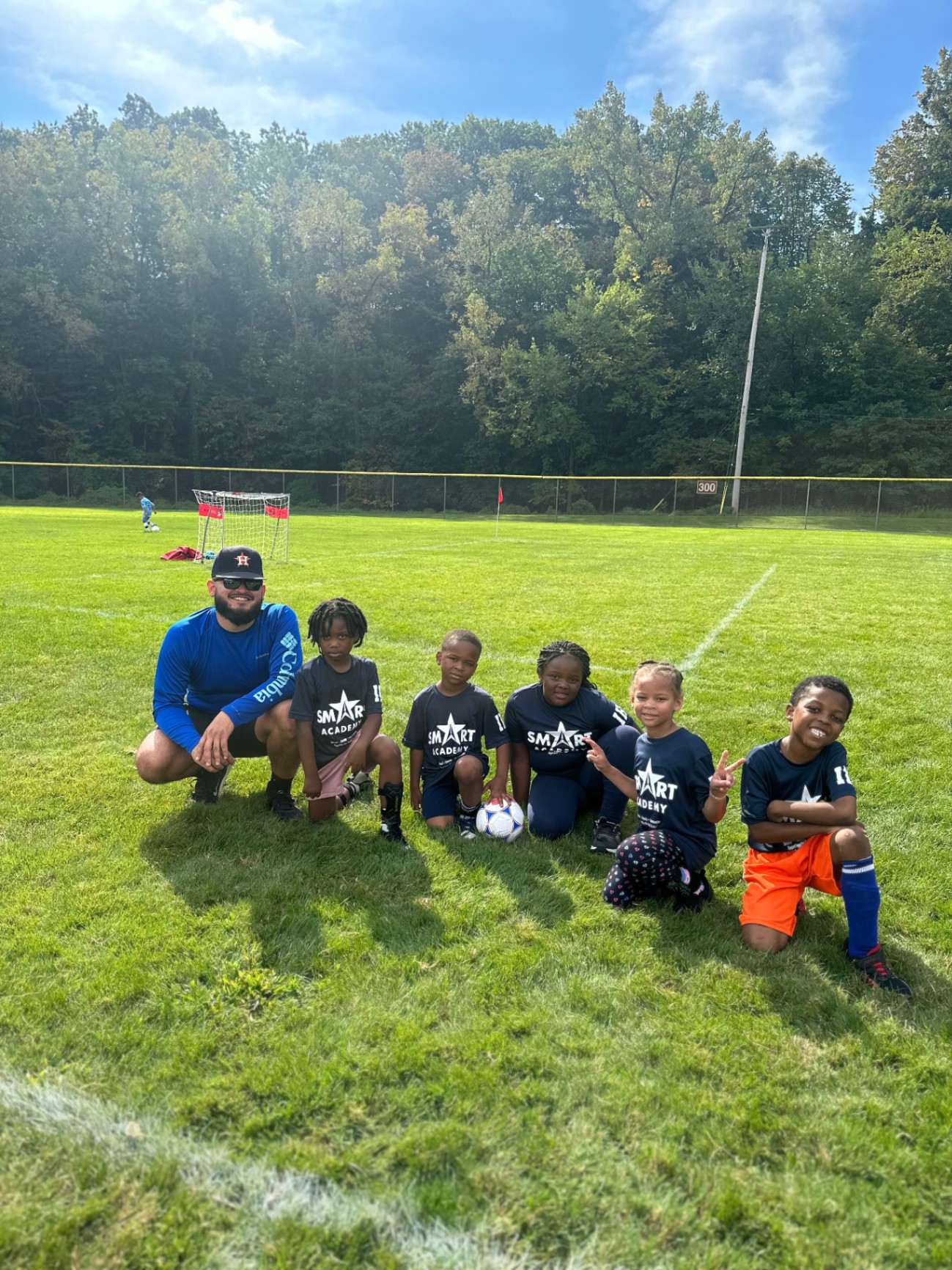
The Fix: Look for schools that balance strong literacy instruction with engaging extracurricular programs. This combination supports the whole child and can actually enhance academic achievement.
Mistake 6: Not Understanding Assessment and Intervention Methods
The Problem: Parents don't ask how schools identify and support struggling readers.
Why This Is Critical: Early identification and intervention are key to preventing reading difficulties from becoming long-term challenges. Schools with strong literacy programs have systematic approaches to assessment and support.
Red Flags to Avoid:
Schools that can't explain their reading assessment process
Programs that rely solely on general testing
Schools without clear intervention strategies
Lack of specialized support for struggling readers
What Strong Programs Do:
Use multiple forms of assessment to understand each child's needs
Provide immediate intervention when students show signs of difficulty
Offer specialized instruction for different learning styles
Regularly monitor progress and adjust instruction accordingly
The Fix: Ask detailed questions about how the school identifies reading difficulties, what interventions they provide, and how they track student progress over time.
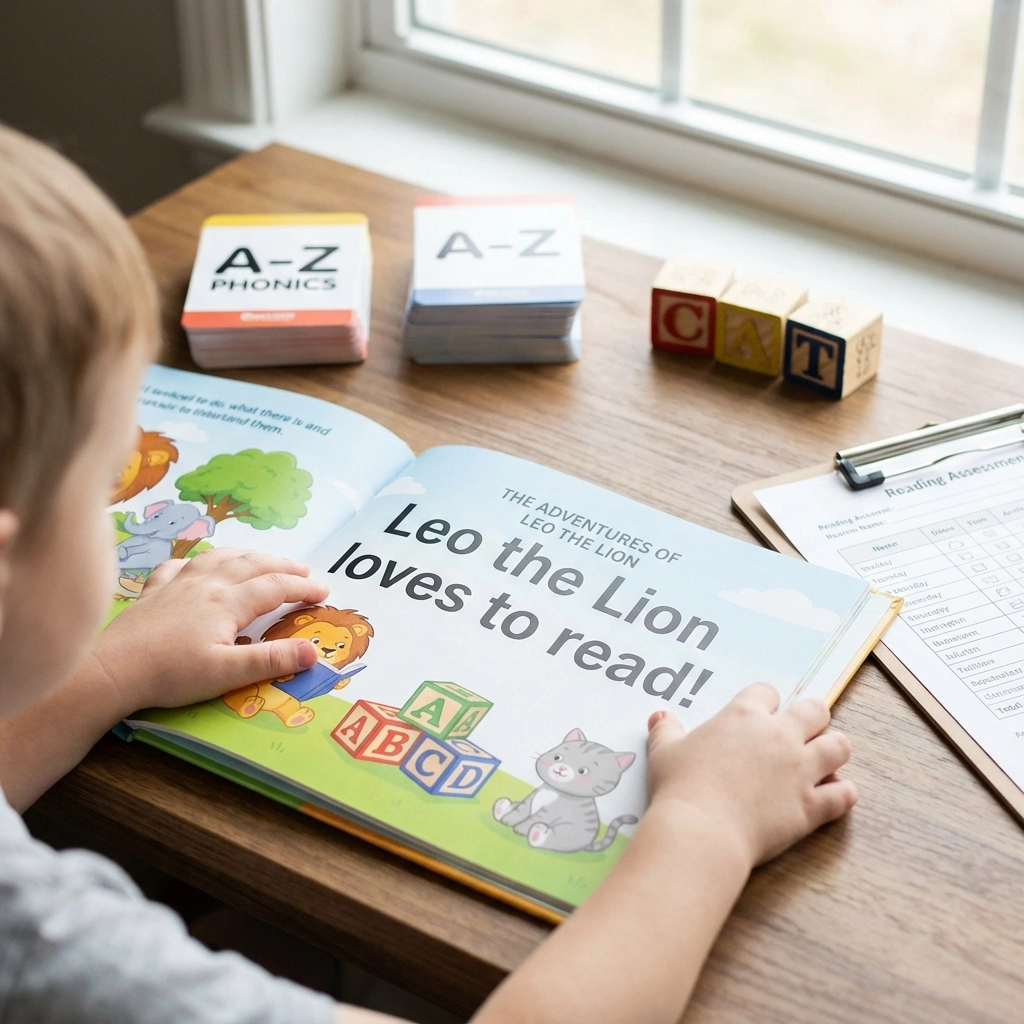
Mistake 7: Making Decisions Without Visiting or Asking the Right Questions
The Problem: Parents rely on online research or word-of-mouth without experiencing the school firsthand or asking literacy-specific questions.
Why Visits Matter: You can learn more about a school's literacy culture in a 30-minute visit than from hours of online research. Pay attention to how reading is celebrated, whether books are visible throughout the building, and how teachers talk about student progress.
Questions to Ask During School Visits:
How do you teach reading, and what curriculum do you use?
What happens when a student struggles with reading?
How do you communicate reading progress to families?
What professional development do your teachers receive in literacy instruction?
Can you share examples of how you've helped struggling readers succeed?
How do you celebrate reading achievements?
The Fix: Schedule visits to your top school choices and come prepared with literacy-focused questions. Trust your instincts about whether the school truly prioritizes reading development.
Making the Right Choice for Your Child
Choosing an elementary school is about finding the right fit for your child's needs, personality, and learning style. But in today's educational landscape, that fit must include a strong foundation in literacy.
Schools that excel in literacy education often excel in other areas too – they understand child development, value individual growth, and build supportive communities. When you prioritize literacy in your school choice, you're setting your child up for success not just in reading, but in all areas of learning.
The good news? You don't have to navigate this decision alone. Quality schools are transparent about their methods, eager to answer your questions, and committed to partnering with families for student success.
Ready to find the right literacy-focused education for your child? If you're looking for a school that combines proven literacy instruction with small class sizes, strong family connections, and engaging extracurricular opportunities, we'd love to tell you more about what makes our approach different.
Visit our registration page to learn more about how we're preparing Cleveland's K-5 students for lifelong learning success. Your child's literacy journey starts with choosing the right school – and we're here to help make that choice clear.